
To commemorate 14 February, a significant date in the history of Opus Dei, the Josemaría Escrivá Study Centre (CEJE) at the University of Navarre and the St. Josemaría Escrivá Historical Institute in Rome launched a new website on the history of Opus Dei. The project combines academic rigour, an accessible narrative, and digital resources. Its goal is to help visitors understand how the history of the Work evolved within its various historical, social and ecclesial contexts.
The platform, created in collaboration with the St. Josemaría Institute in Chicago, offers an accessible and well-documented journey through the institution's history, integrating brief narrative texts with archival material, multimedia, and interactive content. This is a long-term project, conceived as part of the preparation for the centenary of the founding of Opus Dei (2028–2030).
"We want to offer reliable and accessible content that helps people understand and contextualise the history of Opus Dei," the editorial team explains. "We want this to be a global project, and so, little by little, the materials will be translated into different languages so we can reach many different audiences."

The website is organised into several sections that allow for gradual and contextualised reading. The News section brings together current content, special events, and new publications. In A Few Lines is a monthly series about major milestones in the Work's history. The bite-sized instalments recount key events in chronological order, beginning with the foundation of Opus Dei, as a way of preparing for the centenary.
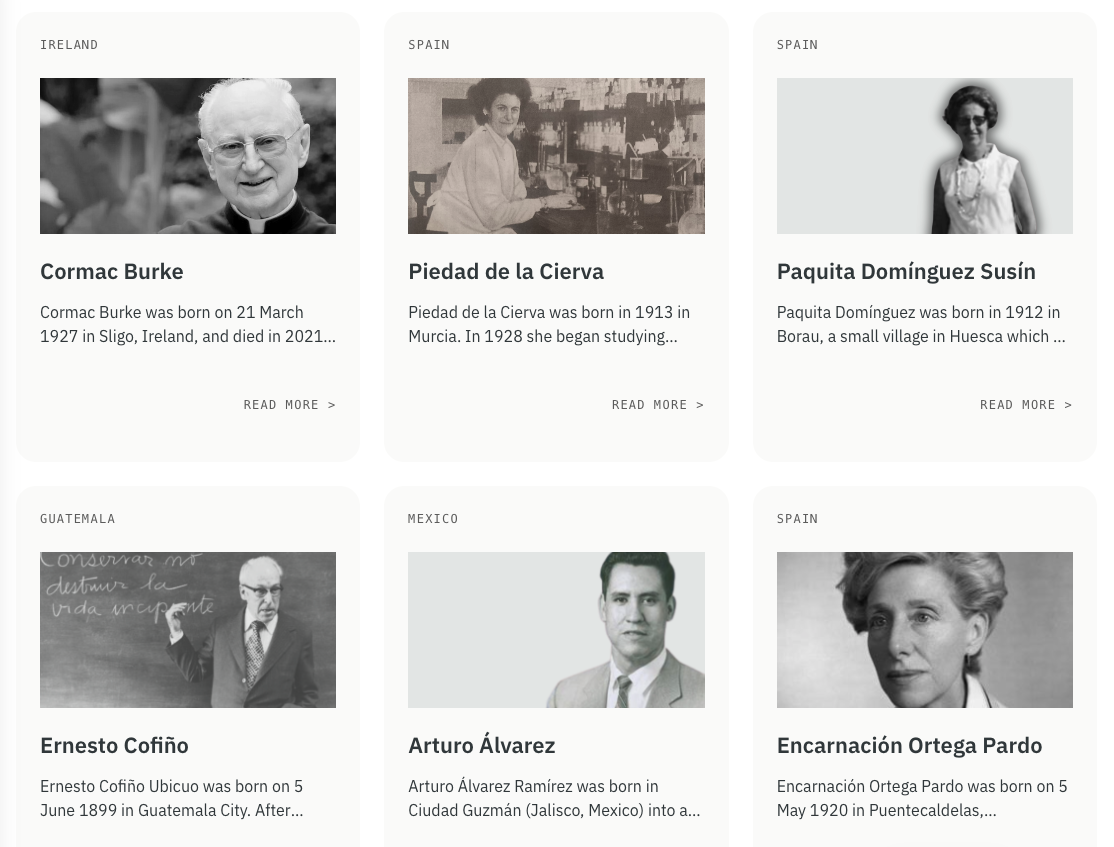
There is also a section dedicated to Saint Josemaría's life, message, and priesthood, together with biographies of his successors. The Lives and Stories series contains "microbiographies" of the first members of Opus Dei in different continents, showcasing their varied personal and professional trajectories.
The website also incorporates interactive and multimedia content, including a timeline and an interactive map showing Opus Dei's presence in different countries, as well as podcasts and audiobooks.
The platform also provides access to the Virtual Library of Josemaría Escrivá and Opus Dei, an open-access digital repository with more than 15,000 bibliographic records and 8,000 documents in PDF format, including articles from academic journals, book chapters and publications by Josemaría Escrivá in various languages, available for free consultation and download.